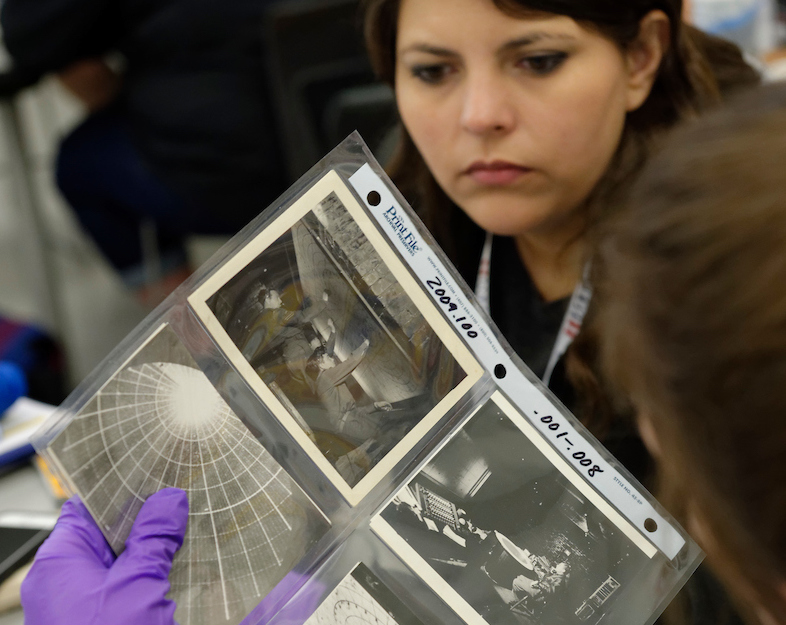
The Real World Science curriculum guide offers phenomena-based activities that engage students in the practices of science and engineering. Integrating STEM and history, Real World Science lessons show students how science and technology helped the United States overcome big challenges during World War II. This interdisciplinary curriculum also incorporates mathematics and literacy and is meant to support both teachers in self-contained classrooms as well as teams of teachers who work across disciplines.
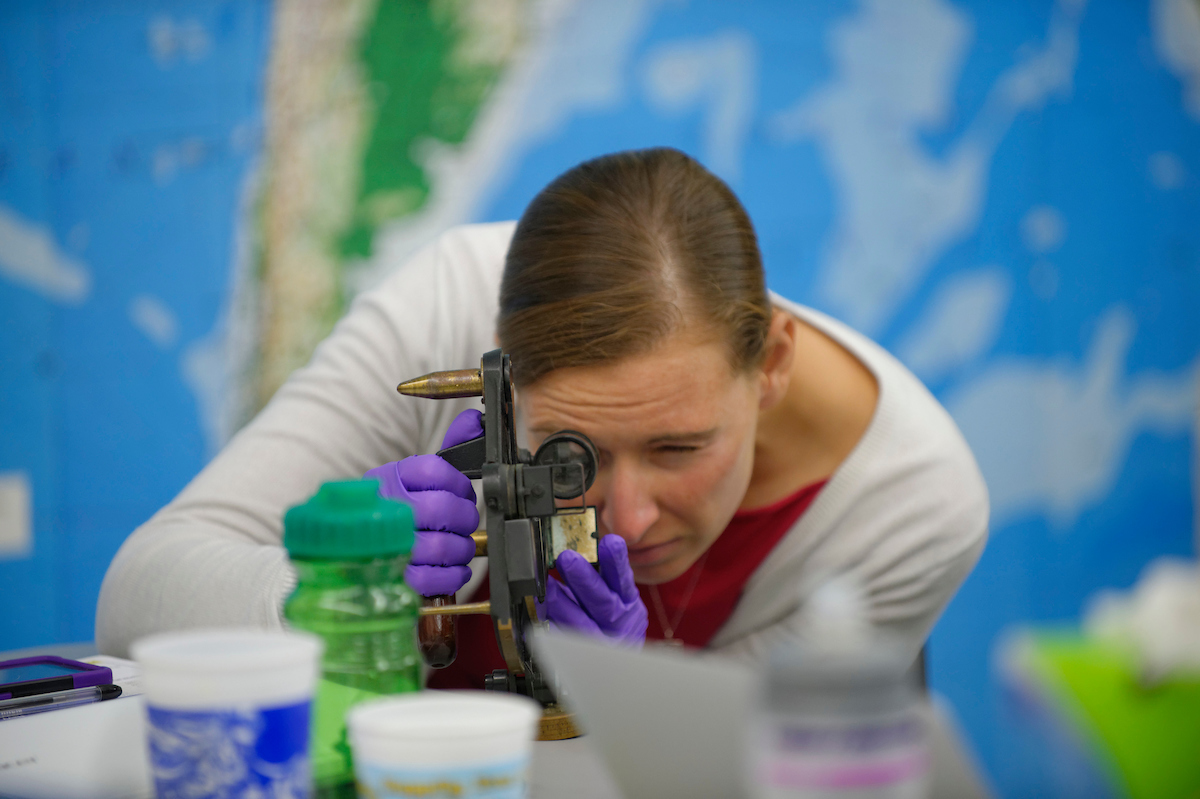
Earth and Space Science: Mapping Dangers
Moving across huge distances to lands very
different from the United States meant great
challenges.
Earth and Space Science: Solar Still
During World War II, moving across huge
distances to different lands brought on
great challenges.
How Much Water Is There?
During World War II, moving across huge
distances to different lands brought on
great challenges.
Earth and Space Science: Measuring Water
During World War II, moving across huge
distances to different lands brought on
great challenges.
Victory Garden: Sprouts
Victory Gardens were an incredibly important
part of the Home Front effort in World War
II.
Victory Garden: the Parts of Plants
Victory gardens were an incredibly important
part of the Home Front effort in World War
II.
Chemistry: Kitchen Science- Gummies
This activity provides an opportunity to
work with two of the important classes of
biological molecules—carbohydrates and
proteins.
Chemistry: Kitchen Science- Pickles
This activity provides students with the
opportunity to explore osmosis and diffusion
through canning, an important activity on
the Home Front during World War II.
Kitchen Science: Ginger Ale
This activity gives an example of chemical change—
yeast transforming sugar into carbon dioxide.
Kitchen Science: Lip Balm
This activity shows how we can engineer
substances to make them have the properties
we want.