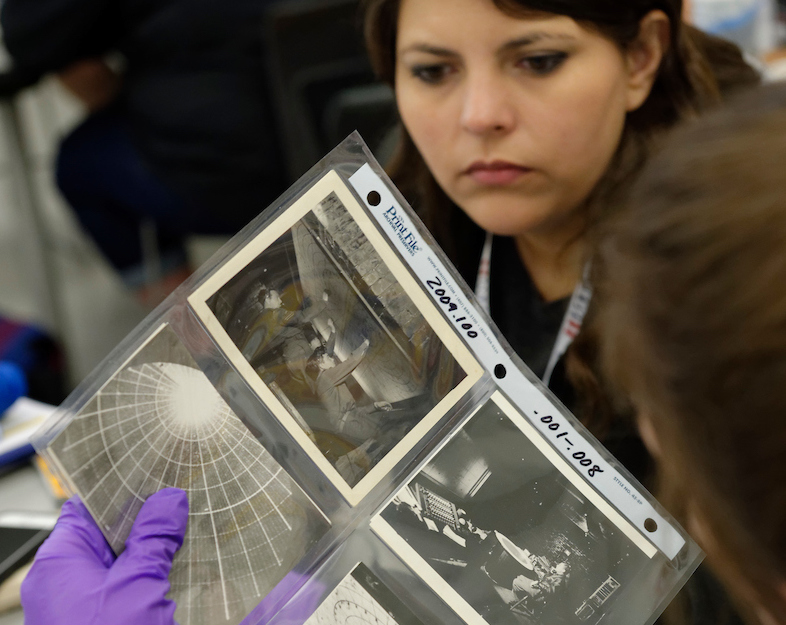
The Real World Science curriculum guide offers phenomena-based activities that engage students in the practices of science and engineering. Integrating STEM and history, Real World Science lessons show students how science and technology helped the United States overcome big challenges during World War II. This interdisciplinary curriculum also incorporates mathematics and literacy and is meant to support both teachers in self-contained classrooms as well as teams of teachers who work across disciplines.
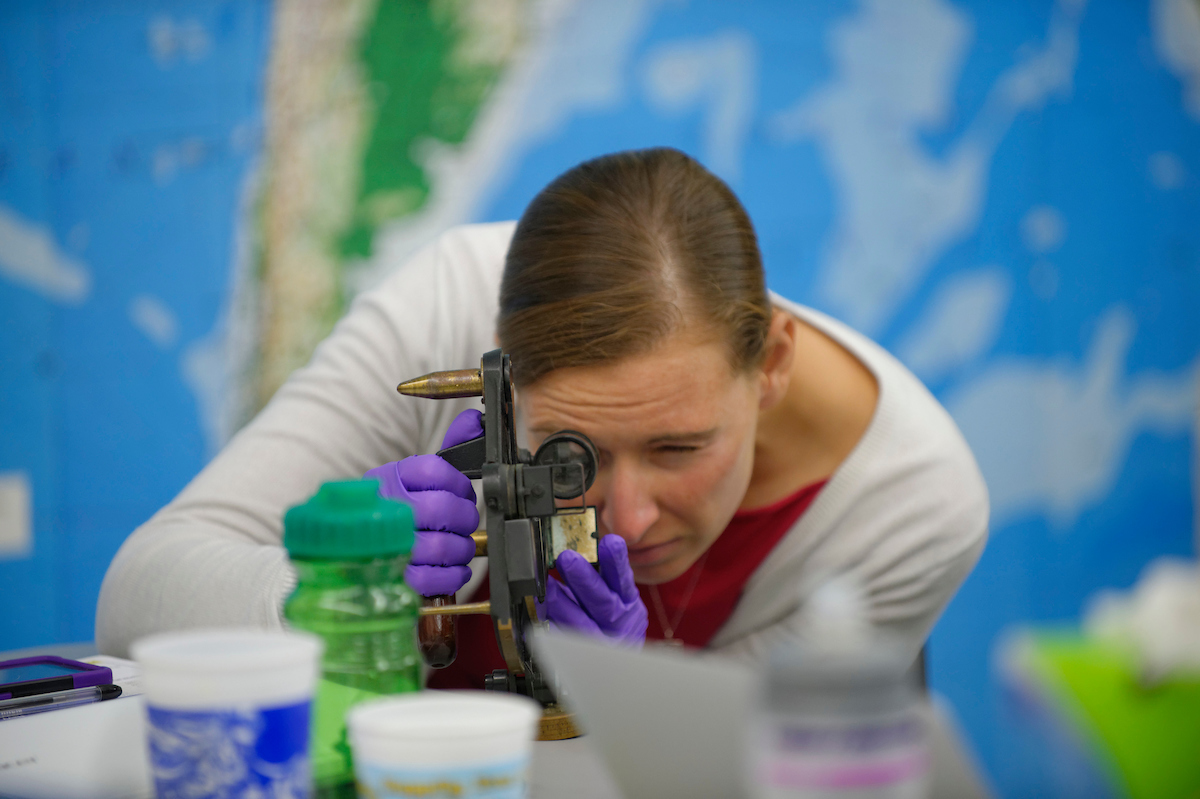
Engineering Skills: Necessity Cards
This is a brainstorming activity to illustrate
how engineers formulate specific problems
and design solutions for them.
Physics Forces: Earn Your Wings
This is a basic design-process activity with
DIY airplanes.
Under Pressure
This series of demonstrations illustrates
that air is composed of matter.
Bernoulli's Blast
This series of demonstrations illustrates
Bernoulli’s principle and introduces
basic fluid dynamics.
What's in the Air?
This is a formative assessment probe that
can be used with the activities around flight.
Why Do Things Fly?
This is a formative assessment probe that
can be used with the activities around flight.
Physics Forces: Sink or Float
This is an investigation for students to
examine the relationship between density
and buoyancy.
Earth and Space Science: Why Weather
Here are two good questions: Why are people
always talking about the weather? Does
weather really matter? A particular weather
forecast on one day in 1944 might provide
some answers.
Halsey's Typhoons
The United States entered World War II after
the Japanese bombed Pearl Harbor in Hawaii
on December 7, 1941.